The Truth About the M3 Mini: Pros, Cons, and Verdict
The M3 Mini has attracted attention as a compact desktop that promises modern performance in a small footprint. For buyers weighing a new desktop for creative work, coding, home media, or light server duties, the M3 Mini raises familiar questions: Is its performance genuinely class-leading? How flexible is it for real-world use? And does the trade-off between size and expandability matter for most users? This article examines the M3 Mini in detail—covering practical real-world use cases, strengths and limitations, a head-to-head qualitative comparison with common alternatives, a buying guide that highlights what matters to different buyers, and a final verdict.
Introduction: What the M3 Mini Is Aiming For
The M3 Mini positions itself as a modern compact desktop powered by the M3 family of processors and designed to deliver efficient, sustained performance for day-to-day and creative tasks. It targets users who value a small desktop that stays quiet and cool, while offering faster single-threaded performance, improved integrated graphics, and a more capable machine learning engine compared with prior compact desktops. The appeal is obvious for those who want a clean, minimalist desk setup without sacrificing responsiveness in productivity apps, photo and video work, or development environments.
Detailed Product Review and Analysis
Design, Build, and Thermals
The M3 Mini follows the small-form-factor design ethos typical of modern mini desktops. Its compact chassis makes it easy to tuck behind a monitor or place on a crowded desk. The advantages of the smaller enclosure are clear: it takes up little space and is easy to transport between home and office. In real-world use the M3 Mini tends to run quieter than many small tower PCs because the System-on-Chip architecture is tuned for power efficiency. However, the small case does limit passive cooling area compared to larger towers, so sustained heavy workloads can push thermal management to its limits and may lead to slightly higher fan activity under prolonged stress.
Performance and Everyday Use
The M3 architecture advances several areas important to everyday users. Single-threaded responsiveness is typically excellent, translating to snappy app launches, fast web browsing with many tabs, and fluid UI interactions. For creative professionals, the integrated graphics and machine learning acceleration make editing, thumbnail generation, and certain accelerated effects noticeably faster than many previous-generation compact desktops.
For developers, the M3 Mini provides quick compile times for small-to-medium codebases and comfortable multitasking when running containers, IDEs, and browser instances simultaneously. It is not intended to replace high-end desktop workstations for very large builds or distributed compilation tasks, but for most independent developers and small teams the experience should be excellent.
Graphics, Media, and Content Creation
Integrated graphics on the M3-level hardware have improved enough that light to moderate video editing and color grading are practical on a Mini. Real-world editors working with high-resolution footage will still prefer dedicated GPU machines for complex timelines, multi-layer compositing, or accelerated encoding in specific codecs. Still, hobbyists, streamers doing light encoding, and social media creators will find the M3 Mini capable, especially when paired with fast external storage for media assets.
Connectivity and Expandability
Connectivity tends to be a mixed bag in compact desktops. The M3 Mini typically offers a sensible selection of modern ports—fast USB-C/Thunderbolt equivalents, USB-A ports for peripherals, HDMI or DisplayPort outputs, and gigabit or multi-gig networking options. Buyers should confirm the exact port count for the configuration under consideration because differences between trim levels matter.
Expandability is where the small form factor shows its trade-offs. On mini desktops like the M3 Mini, memory is often soldered onto the motherboard and storage may be limited to internal SSD options with limited upgrade paths. For many users this is acceptable: the unified memory architecture provides excellent real-world memory performance for the RAM that is included. For power users who need future upgradeability (more RAM, additional NVMe slots, or discrete GPU upgrades), a small tower or workstation will remain the better choice.
Looking for the best Electronics deals on Amazon?
Browse Now →Batteryless But Energy Efficient
As a desktop, the M3 Mini is not battery-powered, but one of its key benefits is energy efficiency. The low power draw compared to traditional desktop CPUs means lower electricity bills for always-on use cases (home server, media server, backup node). The energy efficiency also contributes to quieter cooling and less thermal throttling in brief bursts, which improves perceived performance for many everyday tasks.
Software and Ecosystem
Software compatibility and optimizations are important considerations. On systems with M-series chips, native applications that have been recompiled or optimized for the M architecture deliver the best performance. Buyers should examine their critical software—productivity suites, creative tools, development toolchains—to confirm native support or robust translation layer performance. In many cases, widely-used applications have been optimized, but some niche or legacy software may require workarounds or virtualization.
Real-World Use Cases
- Home Office and Productivity: Excellent for spreadsheet-heavy work, web conferencing, multitasking with many browser tabs, and local document editing.
- Creative Hobbyists: Ideal for photo editing, light video editing, podcasting, and streaming with modest production needs.
- Developers and Students: Fast enough for most development workflows, local testing, containerized environments, and running IDEs.
- Home Media Server: Energy-efficient option for running media libraries, Plex-like streaming, and background backups when configured with ample fast storage.
- Compact Workstations: Useful as a secondary or travel workstation for professionals who need macOS-based software compatibility or a compact desktop for client sites.
Pros & Cons
- Pros:
- Compact, space-saving design that suits minimal desks and small offices.
- Strong single-threaded performance and responsive daily use.
- Energy-efficient operation leading to quiet cooling and low power use.
- Improved integrated graphics and machine learning acceleration for modern workflows.
- Good out-of-the-box experience for users already invested in the same software ecosystem.
- Cons:
- Limited internal upgradeability—soldered memory and constrained SSD expansion in many configurations.
- Sustained, heavy workloads can drive thermal limits in the small chassis.
- May be comparatively pricey when spec’d up with higher memory and storage due to upgrade constraints at purchase time.
- Not ideal for users who require discrete GPU performance or multiple internal expansion cards.
Comparison: M3 Mini vs. Common Alternatives
| Aspect | M3 Mini | Previous-Gen Mini/Small Desktop | Small Tower / Entry Workstation |
|---|---|---|---|
| Performance | Excellent single-threaded responsiveness; improved integrated graphics and ML acceleration for typical creative and productivity tasks. | Good performance, often behind on GPU and machine learning tasks compared to M3-level chips. | Higher multi-threaded and GPU performance for heavy workloads, at the cost of size and power use. |
| Thermals & Noise | Generally quiet and efficient; fans can spin up under long heavy loads. | Varies; older models can be noisier or less efficient. | Better sustained cooling and quieter under full load when properly configured, but larger footprint. |
| Expandability | Limited—memory often fixed, modest storage upgrade paths. | Varies; some older small desktops offered more internal expansion. | Superior—multiple drives, GPUs, and more RAM slots. |
| Ports & Connectivity | Modern port mix including high-speed external ports; sufficient for most users. | May lack newest interfaces; depends on model. | More ports and internal flexibility, though layout depends on case. |
| Value Proposition | Strong value for users prioritizing compactness and efficiency; cost climbs when maxed out. | Lower initial cost for used/older units, but less future-proof. | Better long-term upgrade value for power users; typically higher initial footprint and power draw. |
Buying Guide: What Buyers Typically Care About
When evaluating the M3 Mini, buyers should frame decisions around actual use rather than raw specifications. Here are the practical factors that matter, and how to approach them.
1. Define the Primary Use Case
First, identify the primary purpose:
- If the goal is general productivity, web work, and occasional creative tasks, a modest configuration often suffices.
- If the buyer edits multi-cam video, works with large 3D scenes, or uses GPU-accelerated scientific computing, the M3 Mini will be less suitable than a workstation with a discrete GPU.
- For always-on server roles, prioritize storage capacity, network capability, and fan/noise characteristics.
2. Memory and Storage: Buy Enough Upfront
Because internal upgrades are often limited, it is prudent to purchase a configuration with adequate memory and fast internal storage from the start. Unified memory benefits from the architecture’s performance characteristics, but it cannot always be expanded later. For most users:
- 8–16 GB is comfortable for basic productivity and light creative work.
- 16–32 GB is recommended for sustained multitasking, complex photo editing, and more serious development workloads.
- Opt for a larger SSD or plan on fast external NVMe storage if working with large media files.
3. Ports and Peripherals
Investigate the port layout carefully. Buyers who use multiple external displays, audio interfaces, and storage devices should verify that the machine has enough high-speed ports. If the number of native ports is insufficient, ensure a good Thunderbolt or high-bandwidth dock is part of the plan.
4. Networking
Gigabit Ethernet is typically standard and sufficient for home use. Buyers planning to run the M3 Mini as a local server or for large file transfers may want multi-gig options or high-speed Wi‑Fi support. Consider wiring where possible for faster, reliable transfers.
5. Software Compatibility and Ecosystem
Confirm that critical software runs natively or that acceptable performance is available under translation or virtualization. For professionals who rely on niche plugins or legacy drivers, compatibility checks avoid painful surprises.
Looking for the best Electronics deals on Amazon?
View Offers →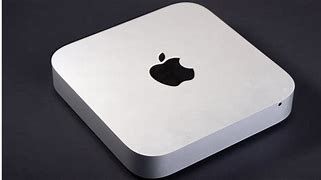
6. Thermals and Noise Expectations
If quiet operation is a priority—such as audio production or bedroom usage—research independent reviews focusing on sustained workloads to understand how often fans ramp up under realistic scenarios.
7. Longevity and Support
Consider the expected lifetime of the machine and the software ecosystem. If the buyer prefers to keep machines for many years, prioritize configurations that provide a comfortable buffer for memory and storage needs. Warranty and support options can also be worth the premium for users who need minimal downtime.
8. Accessories and Workflow
Plan for accessories: monitor(s), keyboard, mouse, and possibly a dock. For creative workflows, color-accurate monitors and reliable external drives improve productivity more than incremental CPU upgrades for many users.
Practical Tips for Ownership
- Back up regularly and use external fast storage for active media projects to avoid filling the internal SSD.
- When mobility matters, the compact size makes it easy to move, but be mindful of connector strain—use cable management or a small dock to protect ports.
- Keep macOS and apps up to date to take advantage of performance and security improvements that come with architecture-specific optimizations.
- Consider a quality external SSD or NAS for expandable storage and to extend the device’s usefulness beyond its internal capacity limits.
Verdict and Conclusion
The M3 Mini is a compelling choice for users who want a modern, compact desktop that excels at everyday productivity, light creative work, and development tasks. Its strengths are a responsive experience, energy-efficient operation, and strong performance for tasks that benefit from fast single-thread performance and integrated graphics improvements. For most home office users, students, and many creative hobbyists, the M3 Mini hits the sweet spot between size and capability.
However, buyers should be realistic about limitations. The constrained upgrade path and smaller chassis impose trade-offs for those who anticipate needing more memory, additional internal drives, or discrete GPUs in the future. For power users and professionals with heavy multi-threaded or GPU-bound workloads, a larger workstation or small tower with upgrade capacity will be a better long-term investment.
In short, the M3 Mini is an excellent compact desktop for people who value a tidy setup and efficient performance for typical modern workflows. It is less suitable as a long-term, highly upgradeable workstation, but for most users who select the right configuration at purchase and plan their storage and peripheral setup accordingly, it offers a satisfying and capable computing experience.