Spec Battle: Saatva Graphite Mattress Topper vs Saatva High Density Foam Topper — Is It Worth Upgrading?
Introduction
When considering a mattress upgrade, many shoppers find themselves torn between replacing the mattress entirely and adding a topper to adjust comfort, support, or temperature. Two common options from Saatva — the Graphite Mattress Topper and the High Density Foam Topper — aim to extend mattress life and change the sleep surface with minimal disruption. This article evaluates both toppers side by side, focusing on performance, typical buyer concerns, real-world use cases, and practical guidance to decide whether an upgrade is worth it.
What buyers typically care about
Most buyers evaluating a mattress topper are looking for improvements in a handful of areas: pressure relief, support, heat regulation, durability, compatibility with existing mattresses (including height and edge feel), motion isolation for couples, and value for money. Health concerns such as back pain, joint pressure, and sleep temperature also drive many purchases. This comparison speaks to those priorities and shows where each Saatva topper is likely to help — or fall short.
Quick product overviews
Saatva Graphite Mattress Topper — Overview
The Saatva Graphite Mattress Topper is built around memory foam that incorporates graphite particles or gel to improve thermal conductivity. The intent is to preserve classic memory-foam contouring and pressure relief while reducing the warm, "trapped heat" feel some memory foams impart. For sleepers who like hug and contour but sleep hot, a graphite-infused memory foam topper promises a middle ground.
Saatva High Density Foam Topper — Overview
The Saatva High Density Foam Topper prioritizes support and durability. High-density polyurethane foam has less sink and faster recovery than traditional memory foam, offering a firmer, more supportive surface. It is often recommended for sleepers who need improved spinal alignment, heavier individuals, or anyone wanting to stiffen a sagging mattress without losing responsiveness.
Detailed product analysis
Feel and firmness
The Graphite Topper delivers the familiar slow-response feel of memory foam: initial give as the body compresses into the material, followed by gradual contouring that cradles pressure points like shoulders and hips. The perceived firmness can feel softer because of the enveloping sensation.
The High Density Topper feels noticeably firmer and more responsive. Instead of sinking in, the body rests on a supportive surface that resists deep impression. That quality makes it easier to change positions and prevents the "stuck" feeling some memory foams create.
Pressure relief and support
For side sleepers and people with localized joint pain, the Graphite topper excels at pressure relief. Its contouring reduces peak pressure at the shoulders and hips, which is why side sleepers often prefer memory foam layers.
The High Density topper favors back and stomach sleepers or heavier individuals who need sustained support to maintain spinal alignment. It provides a more even support plane that can correct mattress sag and reduce lumbar sinkage.
Temperature and breathability
Graphite infusion is intended to improve heat dissipation compared to plain memory foam. In practice, it typically reduces surface warmth and shortens the time a topper feels hot after a change in body temperature; however, it does not make the material as cool-feeling as fully open-cell foams or latex. For hot sleepers who liked memory foam except for heat retention, the graphite option is a pragmatic improvement.
Find top-rated Electronics products at great prices.
View Offers →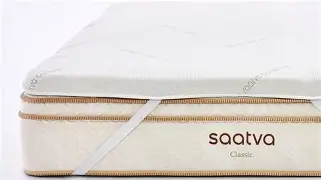
High density foam, being more closed-cell and denser, usually traps more heat than a graphite-infused memory foam. That makes it less ideal for people who run hot unless paired with breathable mattress layers, a cooling mattress protector, or a moisture-wicking cover.
Motion isolation and couples
Memory foam toppers are known for absorbing motion; the Graphite topper follows this pattern and reduces partner disturbance effectively. Couples who are light sleepers or have differing schedules will appreciate the isolation.
The High Density topper isolates motion less effectively because of its quicker response and firmer nature. It still reduces some motion transfer compared to a bare innerspring mattress, but not as much as the memory foam option.
Durability and longevity
High-density foams tend to be more durable and resist permanent impressions over time. The High Density topper, designed for resilience, should maintain support longer under regular use, especially for heavier users. The Graphite topper offers decent longevity if it uses a higher-quality memory foam, but memory foam can show permanent body impressions sooner under high loads.
Off-gassing and materials
Both foam-based toppers can emit an initial odor (off-gassing) when new. This tends to dissipate over a few days with proper ventilation. Buyers sensitive to chemicals should consider airing the topper out and checking for OEKO-TEX or CertiPUR-US type certifications when available.
Maintenance and compatibility
Toppers are generally easier to store and rotate than mattresses. Both Saatva toppers typically fit standard mattress sizes and can be used on innerspring, hybrid, or foam mattresses. However, thicker mattress setups may create an unusually high sleep surface, which can affect fitted sheets and ease of getting in and out of bed. Adjustable bases often accommodate foam toppers but confirm flexibility before purchase.
Pros & Cons
Saatva Graphite Mattress Topper
- Pros: Excellent pressure relief and contouring for side sleepers; improved heat dissipation compared to traditional memory foam; strong motion isolation; typically more comfortable for sleepers who prefer hug and body cradling.
- Cons: Slower response can make repositioning harder for some; contouring can feel too sinking for stomach sleepers; potentially shorter useful life under heavy loads compared to dense polyurethane foam.
Saatva High Density Foam Topper
- Pros: Supportive and resilient — good for sag correction and spinal alignment; quicker response eases repositioning; generally more durable for heavier sleepers; maintains a firmer sleep surface.
- Cons: Can retain more heat than graphite-infused memory foam; less pressure-relieving for side sleepers; reduced motion isolation compared to memory foam.
Side-by-side comparison
| Feature | Saatva Graphite Mattress Topper | Saatva High Density Foam Topper |
|---|---|---|
| Primary material | Graphite-infused memory foam (viscoelastic) | High-density polyurethane foam |
| Feel | Slow-response, contouring, hugging | Fast-response, supportive, firmer |
| Best for | Side sleepers, pressure relief seekers, couples wanting motion isolation | Back/stomach sleepers, heavier users, those needing sag correction |
| Temperature control | Improved over traditional memory foam due to graphite | Generally less breathable; can sleep warmer |
| Durability | Good if higher-grade foam; may develop impressions sooner under heavy use | Typically more durable and resilient |
| Motion isolation | Strong | Moderate |
| Adjustable base compatibility | Generally good; conforms well | Often compatible but firmer feel may affect folding bases slightly |
| Ideal upgrade use-cases | Soften and relieve pressure on a firm mattress; make a slightly warm memory foam mattress cooler | Firm up a soft or sagging mattress; add long-term support without replacing the mattress |
Real-world use cases
1. Side sleeper with shoulder pain
A side sleeper who feels pressure at the shoulders often benefits from a memory-foam topper. The Graphite topper's conforming surface reduces peak pressure and can help reduce numbness or discomfort after prolonged sleeping on one side. The added cooling from graphite is helpful for sleepers sensitive to warmth from memory foam.
2. Heavy sleeper with lower-back sag
Someone over 230 lb noticing mid-mattress sag may find the High Density topper more effective. It restores a stable support layer on top of a sagging spring or old foam mattress, bringing the hips and spine into better alignment without excessive sinking.
Looking for the best Electronics deals on Amazon?
Browse Now →3. Couple with different sleep preferences
Couples who need different sleep surfaces can use a topper to fine-tune one side of the bed (if the mattress size and sheet setup allow) or switch to a topper that balances both partners' needs. The Graphite topper reduces motion transfer, while the High Density topper may support heavier partners better but can transmit a bit more motion.
4. Guest room or camper use
For guest rooms, a High Density topper is a practical way to make an older mattress feel firmer and more hospitable to a wider range of guests. For RVs, the compact support and durability of high-density foam can be advantageous where rapid changes in temperature and humidity occur.
Buying guide — how to choose
Choosing the right topper depends on sleep position, body weight, mattress condition, and preferences for temperature and feel. The following checklist helps narrow the choice.
- Sleep position: Side sleepers lean toward memory-foam-based options (Graphite) for pressure relief. Back and stomach sleepers often need the firmness and support of high-density foam.
- Body weight: Lighter sleepers (<150 lb) can get adequate support and contouring from memory foam without sinking through. Heavier sleepers (>230 lb) should favor high-density foam for sustained support and longer lifespan.
- Mattress condition: If the mattress has noticeable sag or dip, a high-density topper can help restore a flatter, more supportive surface. If the mattress is firm and simply too harsh on pressure points, a graphite memory foam topper can soften the top layer.
- Temperature: Hot sleepers should prioritize cooling features. The graphite option reduces heat retention compared to traditional memory foam, while high-density foam may feel warmer.
- Mobility and repositioning: If changing positions at night is frequent or difficult, faster-response high-density foam makes movement easier than the slow rebound of memory foam.
- Trial and warranty: Check return policies and warranties. Many reputable brands offer a trial period for toppers; confirm how returns are handled and whether the topper is refundable if it does not resolve the issue.
- Allergies and certifications: Look for emissions and material certifications if chemical sensitivity or indoor air quality is a concern.
- Thickness and sheets: Consider topper thickness. Thicker toppers increase mattress height and can affect fitted sheet fit. Standard toppers commonly range from a couple of inches upward; choose a thickness that balances comfort and sheet compatibility.
Practical purchasing tips
- Measure mattress depth and planned bed frame height before adding a topper.
- Air out new foam toppers in a well-ventilated room before first use to minimize off-gassing.
- Use a fitted mattress pad or protector sized for the combined thickness if dust or spills are a worry.
- Rotate the topper periodically to distribute wear, especially for memory foam which can develop impressions.
Is it worth upgrading?
Topper upgrades can be a cost-effective way to adjust mattress feel without the expense and hassle of a full replacement. The decision of whether a Saatva Graphite or High Density topper is "worth it" hinges on the specific problem trying to be solved:
- If the goal is to reduce pressure points and keep the memory-foam feel while improving heat dispersion, the Graphite Mattress Topper is likely worth trying.
- If the mattress is sagging, lacks support for heavier sleepers, or the objective is to firm up the surface and extend mattress life, the High Density Foam Topper offers a more durable fix.
- For couples where motion isolation is a priority, memory-foam-based graphite will do better. For mobility and ease of position change, high density foam is favorable.
Ultimately, a topper is a targeted tool: it can remedy comfort and support mismatches, but it cannot reverse severe structural failure like collapsed coils or wholly degraded mattress foundations. For moderate issues — pressure points, mild sag, temperature management — toppers are often a sensible and sustainable first step.
Conclusion
Both the Saatva Graphite Mattress Topper and the Saatva High Density Foam Topper have clear strengths. The Graphite option improves classic memory-foam comfort with better heat dispersion and excellent pressure relief, making it a smart choice for side sleepers and people seeking reduced motion transfer. The High Density topper prioritizes support and durability, favoring back and stomach sleepers, heavier users, and anyone who wants to firm up a tired mattress.
Choosing between them comes down to identifying the chief complaint: overheating and pressure? Lean toward graphite memory foam. Sagging and lack of support? The high-density foam is likely the better upgrade. When matched to the right use case, either topper can provide meaningful improvement — but buyers should set realistic expectations and confirm trial and return policies in case the chosen feel does not match personal preference.