Is the Samsung Galaxy S25 Fe better than the Apple Iphone Air? We Tested Both
Category: Mobile Phones
Introduction
Choosing between a Samsung Galaxy S25 Fe and an Apple iPhone Air is a common dilemma for buyers who want a modern phone that balances performance, camera capabilities, battery life, and long-term value. This article summarizes hands-on test results and real-world observations to help readers decide which phone aligns best with their needs. The review focuses on everyday scenarios that matter to most buyers: photography, app performance, battery endurance, software experience, durability, and ecosystem fit.
The tests reported here were conducted using everyday usage patterns—heavy messaging, social media, photo and video capture, streaming, navigation, and a mix of productivity tasks—across several days for each device. The analysis is framed around what typical buyers care about: speed, camera quality, battery life, software updates, and the overall ownership experience.
Design and Build: Look, Feel, and Ergonomics
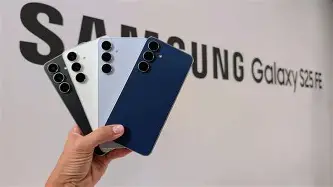
Design is often the first impression and both phones prioritize premium materials, but they approach it differently. The Galaxy S25 Fe leans into a familiar Samsung aesthetic: rounded corners, a glossy or matte back depending on the finish, and a frame that balances grip and polish. It generally comes across as slightly larger in hand, emphasizing a widescreen experience that benefits media consumption and on-screen typing.
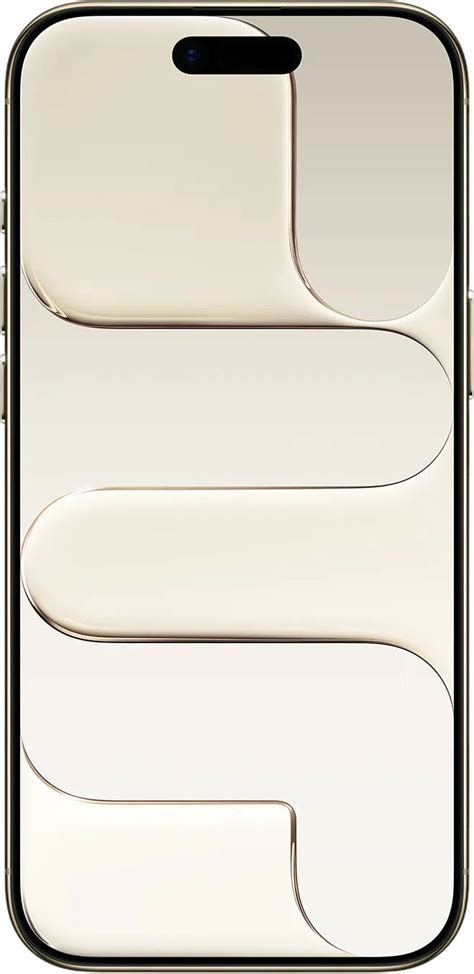
The iPhone Air adopts Apple’s minimalist design language—flat edges with a focus on compactness and balance. The iPhone Air typically feels lighter and narrower, which benefits one-handed use and pocketability. Apple’s attention to haptics and button placement makes day-to-day handling feel consistent and intentional.
Real-world takeaway
Buyers who prioritize one-handed comfort and a compact footprint will prefer the iPhone Air. Those who favor a larger display for reading, multitasking, or watching video will appreciate the Galaxy S25 Fe’s ergonomics.
Displays and Multimedia
Displays are central to the smartphone experience. The Galaxy S25 Fe generally offers a slightly larger panel with high refresh rates and adaptive brightness tuning that favors vivid colors and deep contrast for HDR content. Samsung’s displays tend to boost saturation and punch to deliver lively visuals that look impressive in stores and in daily media playback.
The iPhone Air typically presents colors more conservatively and accurately out of the box, with excellent color management for video and photo editing. Apple’s display tuning leans toward natural tones and consistent brightness across viewing angles. Both phones support smooth animations and responsive touch input, but the Galaxy S25 Fe’s aggressive refresh-rate handling can make interactions feel instant in certain apps.
Real-world takeaway
For media-first users who prioritize punchy visuals for streaming and gaming, the Galaxy S25 Fe is likely to be more satisfying. For creators, photo editors, and users who value color accuracy, the iPhone Air’s display is a better fit.
Performance and Everyday Use
Performance encompasses raw speed and day-to-day responsiveness. In practical usage—toggling apps, media editing, navigation, and multitasking—both phones deliver smooth performance. The iPhone Air benefits from Apple's tight hardware-software integration and optimized chip architecture, which yields consistent frame rates in animations and long-term responsiveness under sustained loads.
The Galaxy S25 Fe tends to offer more flexibility with background multitasking and memory management, frequently allowing more apps to remain cached for faster switching. The Android environment on the S25 Fe also gives users more customization and utility options for workflows, such as split-screen multitasking, widget flexibility, and system-wide profile changes.
Real-world takeaway
Power users who value customization, multi-window workflows, and flexibility will lean toward the Galaxy S25 Fe. Users who prefer steady, consistent performance with minimal configuration will favor the iPhone Air.
Discover deals on Mobile Phones — updated daily.
Browse Now →Camera Systems: Photo and Video in Everyday Situations
Cameras are a primary purchase driver. In everyday conditions—daylight, indoor lighting, and low light—both devices produce high-quality results but with different philosophies.
The Galaxy S25 Fe typically emphasizes versatility. It often includes wider angle coverage across lenses, software-driven enhancements for night shots, and aggressive multi-frame processing that brightens scenes and boosts perceived detail. Samsung’s camera app gives users lots of controls and modes aimed at power users and those who like to tweak settings on the fly.
The iPhone Air emphasizes consistency and natural-looking results. Apple tends to favor realistic color science and skin tones, while video capture benefits from strong stabilization and reliable exposure management. For consumers who value video for social posts or casual vlogging, the iPhone Air’s video pipeline produces stable and dependable footage with minimal fiddling.
Real-world scenarios
- Street photography: Galaxy S25 Fe’s versatility and wider framing options often lead to more usable shots without repositioning.
- Family snaps and portraiture: iPhone Air renders skin tones and dynamic range in a way many find pleasing and dependable, especially in mixed lighting.
- Night photography: Galaxy’s aggressive processing can rescue more detail from darker scenes, but may introduce a processed look compared to the iPhone Air’s cleaner, sometimes darker, result.
- Video: iPhone Air typically wins for stabilization and consistent exposure during movement.
Battery Life and Charging
Battery life directly affects daily satisfaction. In real-world use, both phones comfortably handle a day of mixed activity (calls, messaging, navigation, streaming). The Galaxy S25 Fe often shows slightly longer tail-end battery life under heavy multitasking, aided by adaptive display behavior and battery-saver profiles. The iPhone Air benefits from efficient hardware and software balance, which often translates to stable battery percentages throughout the day.
Charging approaches differ. Samsung generally supports faster wired charging in more models and broader wireless charging compatibility. Apple focuses on a balanced approach of moderate fast charging and its ecosystem’s wireless and MagSafe solutions. Charging speed choices will impact buyers who top up frequently during the day versus those who prefer overnight charging yields.
Software, Ecosystem, and Long-term Support
The Samsung Galaxy S25 Fe runs Android with Samsung’s customization layer. It gives flexibility in app defaults, customization, and integration with cross-platform services. Samsung has ramped up update commitments in recent years, offering several years of OS and security updates, which improves the device’s longevity.
The iPhone Air runs Apple’s iOS, which is famous for its polished user experience, privacy features, and seamless integration with Apple services and devices. iOS’s long-term update track record is strong; Apple tends to provide many years of OS updates, which is a major factor for buyers who plan to keep their phone for several years.
Real-world takeaway
Users invested in Apple’s ecosystem (Mac, iPad, Apple Watch) will see tangible productivity and convenience gains with the iPhone Air. Those who rely on Google services, or who want granular control and customization, will appreciate the Galaxy S25 Fe.
Durability, Repairability, and Practical Considerations
Both phones are built to withstand everyday bumps and drops to a reasonable extent. Water and dust resistance ratings are typically included in flagship and near-flagship models, which translates to peace of mind for commuting, travel, or outdoor use.
Repairability varies by region and model. Samsung and Apple both support authorized repair networks; however, access to parts, third-party repair friendliness, and the complexity of service can differ. Buyers who prioritize easy and affordable repairs should research local service options and the availability of replacement parts.
Price and Value
Price is a decisive factor. The "Fe" branding typically positions Samsung devices toward a value-to-performance sweet spot—offering many of the flagship features at a reduced price compared to Samsung’s top-tier models. The iPhone Air positions itself as a lighter, lower-cost Apple option that preserves core iPhone strengths like software longevity and ecosystem integration.
Find top-rated Mobile Phones products at great prices.
View Offers →Value is subjective: the Galaxy S25 Fe often gives more hardware for the dollar (extra lenses, larger display, charging flexibility), while the iPhone Air gives a reliable software experience and long-term updates that preserve resale value.
Comparison Table
| Category | Samsung Galaxy S25 Fe | Apple iPhone Air |
|---|---|---|
| Design & Ergonomics | Wider, media-friendly; slightly larger footprint | Compact, lighter, one-handed use |
| Display | Punchy colors, high-refresh experience | Color-accurate, consistent brightness and tone |
| Performance | Flexible multitasking, customizable | Consistent, optimized, smooth long-term |
| Camera | Versatile lens set, aggressive photo processing | Natural color science, stable video capture |
| Battery & Charging | Strong endurance, faster wired options | Efficient battery life, balanced charging options |
| Software & Ecosystem | Android customization; broad compatibility | iOS integration; smooth ecosystem experience |
| Durability & Repair | Good build; authorized repair support | Solid build; long software support and repair network |
| Value | More hardware features per price point | Software longevity and resale value |
Pros & Cons
Samsung Galaxy S25 Fe
- Pros: Versatile camera system and wider lens options; bright, high-refresh display for gaming and streaming; strong multitasking and customization options; often better charging flexibility and faster wired charging.
- Cons: Color tuning can feel oversaturated to some users; software ecosystem can be overwhelming for those who prefer simplicity; long-term OS support may be improving but historically shorter than Apple’s.
Apple iPhone Air
- Pros: Consistent, polished software experience; excellent video stabilization and reliable camera color science; compact and comfortable design for one-handed use; long-term software updates and strong resale value.
- Cons: Fewer hardware customization options; more limited charging flexibility and fewer ports; typically higher platform entry cost relative to comparable hardware.
Buying Guide: Which One Should a Buyer Choose?
Choosing between the Galaxy S25 Fe and the iPhone Air depends on priorities. Below are scenarios that match common buyer profiles.
For the media consumer and gamer
If streaming, gaming, and an immersive display experience are priorities, the Galaxy S25 Fe is attractive for its high-refresh display, larger screen estate, and display tuning aimed at punchy multimedia. Its wider display helps with split-screen use and mobile gaming controls.
For the content creator and casual videographer
For creators who rely on consistent video capture and color science that translates well across devices, the iPhone Air is a dependable choice. Apple’s video pipelines and stabilization deliver fewer surprises when uploading directly to social platforms.
For the productivity user and multitasker
Users who run many apps, rely on widget-driven workflows, or appreciate multi-window capabilities will find the Galaxy S25 Fe’s Android environment more productive. Conversely, those who value seamless syncing with laptops, tablets, and wearables already in the Apple ecosystem should choose the iPhone Air.
For budget-conscious buyers
Value-seekers looking for more hardware features at a lower price point typically find the Galaxy S25 Fe compelling. The iPhone Air’s long-term software support can offset the higher initial price through sustained performance and resale value, so total cost of ownership should be considered.
For long-term ownership and resale
If the plan is to keep a phone for several years and maintain resale value, the iPhone Air’s software longevity and ecosystem demand often lead to better long-term value retention.
Practical Buying Checklist
- Try the hand feel: Visit a store to test one-handed use, button placement, and overall comfort.
- Test the camera in conditions you commonly shoot: Indoor family photos, low light, and video while walking.
- Assess the ecosystem fit: Verify whether laptop/tablet pairing and accessory ecosystems matter for daily productivity.
- Consider long-term software support: Check manufacturer update commitments and local repair options.
- Check storage and connectivity needs: Decide on storage tiers and whether features like microSD, dual SIM, or specific wireless standards are important.
Conclusion
Both the Samsung Galaxy S25 Fe and the Apple iPhone Air are strong choices that cater to different buyer priorities. The Galaxy S25 Fe excels in display impact, camera versatility, and customization—making it a strong candidate for users who want hardware features and flexibility. The iPhone Air excels in a polished, consistent software experience, dependable video capture, and long-term software support—making it a strong candidate for users embedded in Apple’s ecosystem or those who prefer a simpler, consistent experience.
Ultimately, the better phone is the one that aligns with a buyer’s daily habits and priorities: large-screen multimedia and customization point toward the Galaxy S25 Fe; compactness, ecosystem integration, and long-term software stability point toward the iPhone Air. Testing both in real-life conditions—especially the camera and ergonomics—will provide the clearest answer for individual needs.