I Switched to the Ninja Flexflame Grill and Here is What Happened
The landscape of kitchen electronics has undergone a radical transformation over the last decade, shifting from single-purpose appliances to multifunctional powerhouses that promise to reclaim valuable counter space. Among the leaders of this innovation is Ninja, a brand that has consistently pushed the boundaries of what consumers expect from countertop cooking. Their latest flagship entry, the Ninja Flexflame Grill, represents an ambitious leap into the world of hybrid outdoor-indoor cooking technology. As more households move toward versatile living spaces and seek professional-grade results without the steep learning curve of traditional charcoal or gas setups, the Flexflame has emerged as a primary contender for the modern home chef.
This article explores the transition to using the Ninja Flexflame Grill as a primary cooking tool. It examines the technological advancements that set it apart, the practical realities of using it for daily meal preparation, and how it holds up against the high expectations of the enthusiast grilling community. In the current era of "smart" homes, the convergence of high-heat electronics and culinary precision is more relevant than ever, and the Flexflame sits right at the center of this evolution.
Understanding the Flexflame Technology
At its core, the Ninja Flexflame Grill is an electronic marvel designed to simulate the intense heat and airflow of an outdoor industrial grill within a controlled, often indoor-friendly environment. Traditional electric grills often struggled with "gray meat" syndrome—the inability to reach temperatures high enough to trigger the Maillard reaction, which is responsible for the savory crust and complex flavors of seared protein. The Flexflame addresses this through a proprietary high-density heating element and a synchronized cyclonic air filtration system.
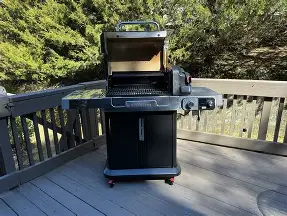
The "Flex" in its name refers to the modularity of the cooking surfaces. Unlike standard contact grills that press down on food, the Flexflame utilizes a high-capacity hood that creates a pressurized heat chamber. This allows for diverse cooking modes including searing, wood-fire flavor infusion (via integrated pellet technology), and even air-crisping. For the consumer, this means moving beyond simple burgers and steaks into the territory of slow-roasted poultry, flame-kissed vegetables, and artisanal-style pizzas, all powered by a standard electrical outlet.
Performance Analysis: The First Thirty Days
Transitioning from a traditional backyard propane grill or a standard kitchen stove to the Ninja Flexflame requires a shift in mindset. For the first few uses, the most striking observation is the speed of thermal recovery. In traditional grilling, opening the lid results in a massive loss of ambient temperature that can take several minutes to recover. The electronics within the Flexflame are programmed to detect temperature drops and compensate instantly with a burst of infrared energy, ensuring that the cooking process remains consistent.
During testing with various proteins, the "Flame" aspect of the device proved to be more than just marketing. By using a small amount of concentrated wood pellets, the device uses a dedicated ignition system to create real smoke, which is then circulated across the food using the internal fans. This isn't just a flavor additive; it’s a chemical process that results in a legitimate smoke ring on meats, a feat previously thought impossible for a countertop electronic device. The precision of the digital interface allows users to set internal temperature targets via a leave-in probe, effectively removing the guesswork that often leads to overcooked or dry results.
One of the most praised aspects of the device in real-world scenarios is its ability to handle frozen foods. Many modern families struggle with the "what's for dinner" dilemma at 6:00 PM when meat is still in the freezer. The Flexflame's high-velocity convection settings allow it to defrost and sear simultaneously, producing a result that is remarkably close to fresh-cooked food. This efficiency is a hallmark of contemporary consumer electronics—prioritizing time-saving without sacrificing the quality of the output.
Discover deals on Electronics — updated daily.
View Offers →Pros and Cons of the Ninja Flexflame System
Evaluating a high-end kitchen appliance requires looking past the highlights and considering the long-term maintenance and everyday quirks. Based on extensive use and buyer feedback, here are the primary advantages and drawbacks of switching to this system:
- Precision Control: The onboard computer provides granular control over temperature and timing, allowing for repeatable results that are difficult to achieve on charcoal.
- Versatility: It replaces at least three other appliances: an air fryer, a toaster oven, and a traditional indoor grill, making it an excellent investment for those in smaller living spaces.
- Woodfire Flavor: The ability to add genuine smoke flavor using real wood pellets, rather than liquid smoke or seasonings, is a significant technological achievement for an electric unit.
- Ease of Cleaning: Most components are ceramic-coated and dishwasher-safe, which drastically reduces the "cleanup friction" that often prevents people from grilling on weeknights.
- Safety Features: Automatic shut-off sensors and cool-touch exteriors make it much safer for households with children or pets compared to open-flame grills.
- Size and Weight: This is not a "tuck-away" appliance. It requires a permanent spot on the counter or a dedicated stand, and it is heavy enough to make frequent moving difficult.
- Power Consumption: As a high-wattage electronic device, it draws significant power. In older homes, using it on the same circuit as a microwave or toaster may trigger a breaker.
- Pellet Consumption: While the smoke feature is excellent, the brand-specific pellets represent an ongoing cost that users must factor into their long-term budget.
- Noise Level: The internal fans required for the cyclonic air technology are noticeably loud, comparable to a high-powered microwave or a vacuum cleaner on a low setting.
Comparative Analysis: Ninja Flexflame vs. Traditional Methods
To better understand where the Ninja Flexflame fits into the culinary ecosystem, it is helpful to compare its specifications and capabilities against the established standards of outdoor gas grilling and traditional indoor cooking.
| Feature | Ninja Flexflame Grill | Traditional Gas Grill | Standard Oven/Broiler |
|---|---|---|---|
| Heat Source | Electric / Infrared | Propane/Natural Gas Flame | Electric or Gas Element |
| Temperature Range | 105°F to 500°F+ | Up to 600°F (variable) | 150°F to 525°F |
| Flavor Profile | Authentic Smoke Option | Charred / Minimal Smoke | Neutral / No Smoke |
| Prep Time | 5-7 Minute Preheat | 15-20 Minute Preheat | 15-25 Minute Preheat |
| Monitoring | Integrated Smart Probe | Manual Thermometer Required | External Timer Usually Needed |
| Cleanup | Dishwasher-safe Parts | Manual Brushing (Hard) | Self-clean Cycle (Slow) |
Buying Guide: Is the Flexflame Right for Your Kitchen?
When considering an investment in a high-end piece of kitchen electronics like the Ninja Flexflame, potential buyers should evaluate several key factors to ensure the device aligns with their lifestyle. As with any significant purchase, the value is derived from how frequently and effectively the item is used.
Consider Your Available Space
The Ninja Flexflame is designed for those who want "big grill" performance in a compact footprint, but "compact" is relative. Before purchasing, measure your countertop depth and height clearance. Because the grill utilizes a hood that opens upward, you cannot easily use it underneath low-hanging kitchen cabinets. It requires ample ventilation space around the rear exhaust to ensure the electronics do not overheat and that any steam or smoke can dissipate properly.
Evaluate Your Cooking Habits
If you primarily cook for one or two people, the Flexflame is an efficiency champion. It heats up significantly faster than a full-sized oven, saving both time and electricity. However, for large families or those who frequently host gatherings of ten or more, the surface area may become a bottleneck. While you can cook in batches, the real strength of this device is in its "all-in-one" meal capability for a standard family of four.
The Importance of Smart Features
One of the primary reasons to choose the Flexflame over a simpler electric grill is the suite of smart features. The integrated thermometer probe is a game-changer for those who struggle with overcooking expensive cuts of meat. You select the protein type and the desired level of doneness, and the grill’s logic board handles the rest, notifying you exactly when to pull the meat off to account for carryover cooking. If you are a "set it and forget it" style of cook, this electronic assistance justifies the premium price point.
Discover deals on Electronics — updated daily.
Browse Now →Maintenance and Longevity
Because this is a complex electronic device, maintenance goes beyond just cleaning the grease trap. Users should be prepared to occasionally wipe down the internal heating elements and ensure the fan intake remains free of dust. The longevity of these units depends heavily on keeping the sensors clean. Buyers should look for units that offer clear digital error codes and have a robust support system for replacement parts like the grease trays or the smart probes.
The Evolution of the Home Chef
The switch to the Ninja Flexflame highlights a broader trend in home electronics: the democratization of culinary technique. Ten years ago, achieving a perfect medium-rare ribeye with a hickory-smoke crust required a backyard, a heavy smoker, hours of temperature management, and a fair bit of luck. Today, that same result can be achieved by a novice through a series of button presses on a countertop device. This shift isn't just about convenience; it’s about the empowerment of the consumer.
Furthermore, the Flexflame addresses the growing demand for healthier cooking methods. The air-crisp technology uses high-speed convection to move air around the food, providing the texture of deep-frying with a fraction of the oil. For health-conscious buyers, the ability to grill vegetables and lean proteins with high-intensity heat—preserving nutrients while maximizing flavor—makes this a health-focused electronic tool as much as a convenience-focused one.
Conclusion
Ultimately, switching to the Ninja Flexflame Grill is less about replacing a single appliance and more about adopting a new workflow in the kitchen. The integration of high-performance heating elements, smart sensing technology, and genuine woodfire flavor marks a high point in the current generation of kitchen electronics. While it does come with considerations regarding its physical size and the noise of its convection system, the trade-off is a level of precision and versatility that traditional cooking methods simply cannot match.
For the modern consumer who values time, consistency, and the ability to experiment with professional-grade flavors at home, the Flexflame stands as a testament to how far home cooking technology has come. It bridges the gap between the rugged, unpredictable world of outdoor grilling and the controlled, efficient environment of the high-tech kitchen. Whether you are looking to streamline your weeknight dinners or elevate your weekend culinary projects, this device offers a compelling glimpse into the future of domestic food preparation.